Replacing Chart Recorders with Automated Solutions

Replacing Chart Recorders with Automated Solutions

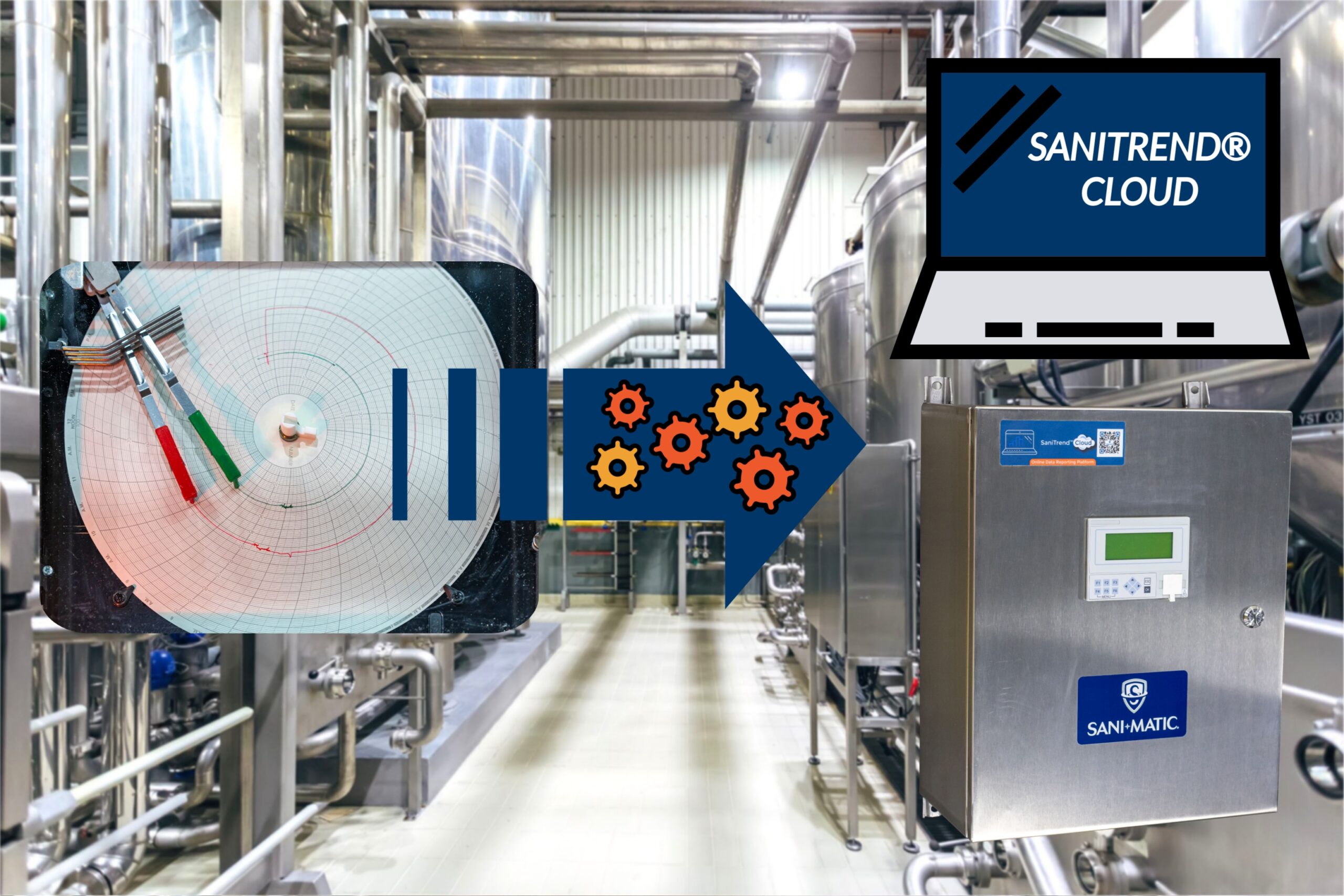
Paper based Chart Recorders are used in the food & beverage industry and other applications where continuous records of scaled or analog type data is recorded. The technology dates back to the 19th century, with a chart recorder for environmental monitoring being issued a patent back in 1915. If you are new to the industry,…

Read More

What You Need to Know About 3-A Standards

3-A Standards

Understanding 3-A Standards, symbol authorization, and Accepted Practices as it pertains to one’s process is important, albeit not easy. That is why Sani-Matic employs experts dedicated to staying current with 3-A Standards. One key Sani-Matic 3-A Standards expert is Vice President, Sales and Marketing Bryan Downer. He is an active 3-A Standards Working Group member and…

Read More

Automated Cleaning and Sanitation Increases Employee Safety

Safety through automation

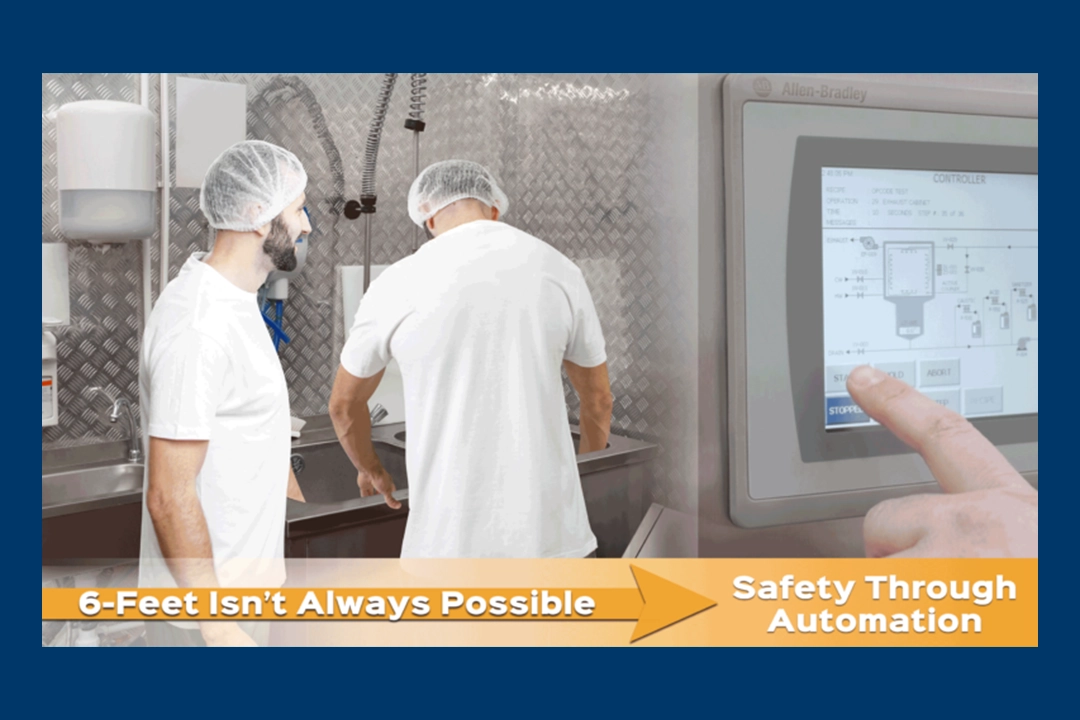
Over the past several years, the move toward automated cleaning and sanitation has been steadily growing to enhance productivity, increase sanitation worker safety, repurpose labor, improve water savings, and generate better sanitary results. But now, with the reality of COVID-19 and the threat of future pandemics, food and beverage processors must consider cleaning and sanitation…

Read More

When to Upgrade Your CIP Skid

CIP Skid

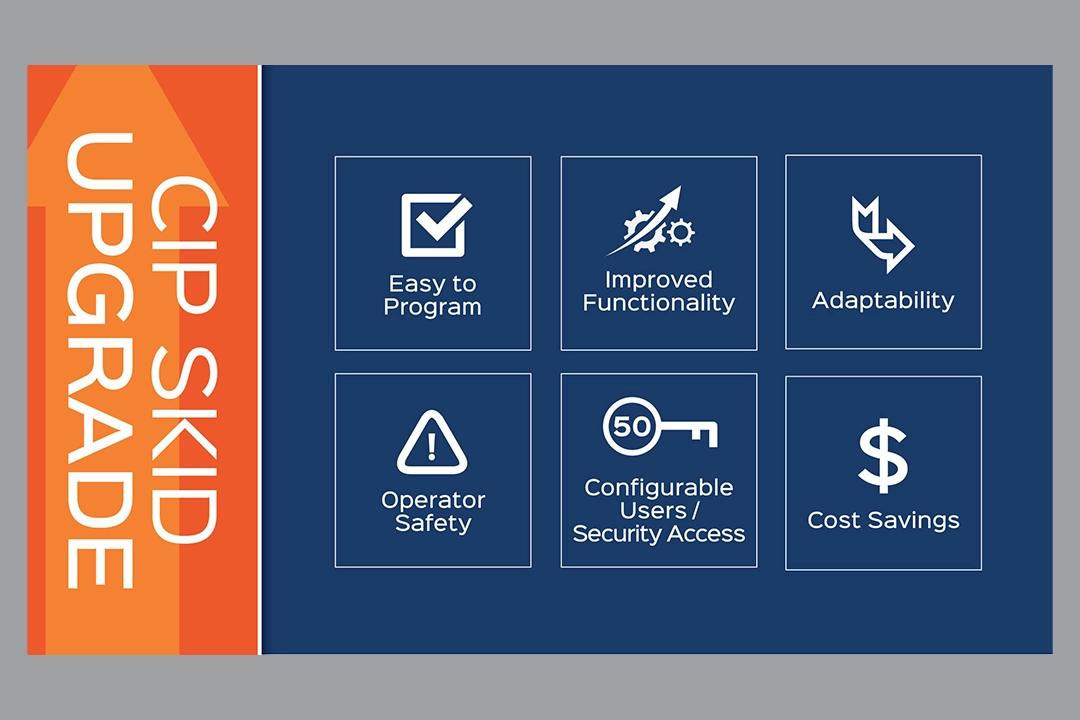
As food, beverage and pharmaceutical manufacturing processes change and operations grow, a CIP skid may require modifications to perform new tasks. Sani-Matic’s Tactical Solutions team specializes in finding the right CIP system solution for ever-evolving processes. Sani-Matic’s Tactical Solutions Manager Micah Muller and Tactical Solutions Engineer Chris Raulin, discussed the top reasons for updating a…

Read More

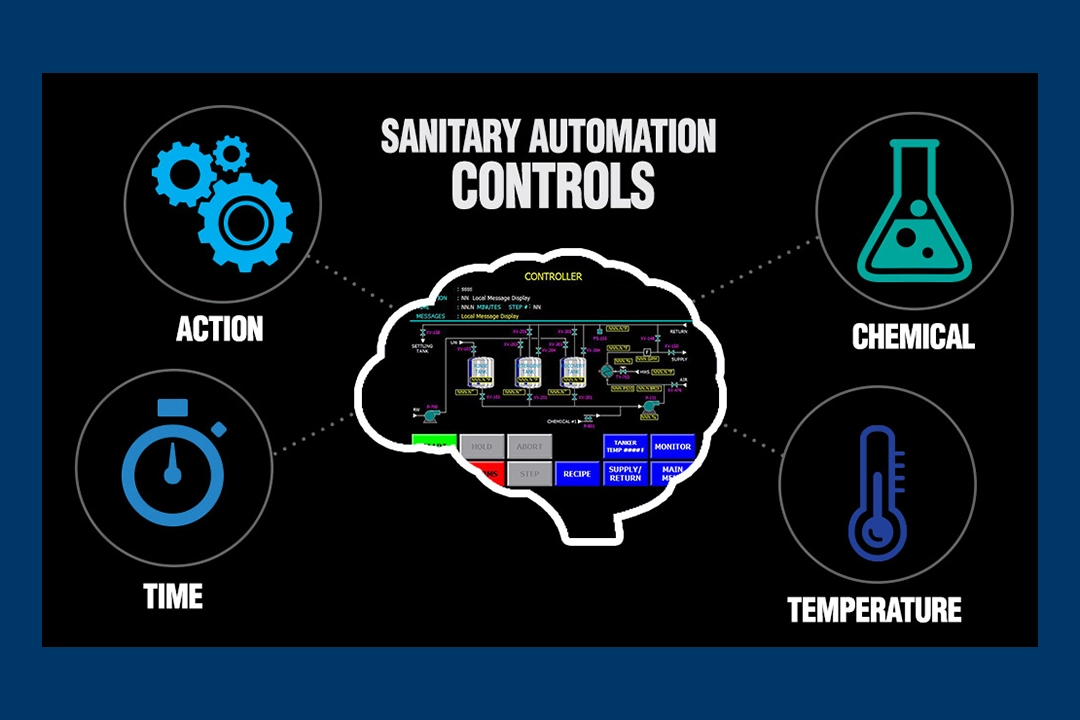
Sanitary Automation Controls: The Brains of Your Operation

Sanitary automation controls

Sanitary automation controls are at the heart, and brain, of repeatable and customizable cleaning solutions. Without automation, food and beverage processing equipment must be cleaned manually, which is time-consuming, labor intensive and non-repeatable. By automating a cleaning process to meet the requirements of each individual manufacturing process, operation engineers can be confident their process equipment and…

Read More